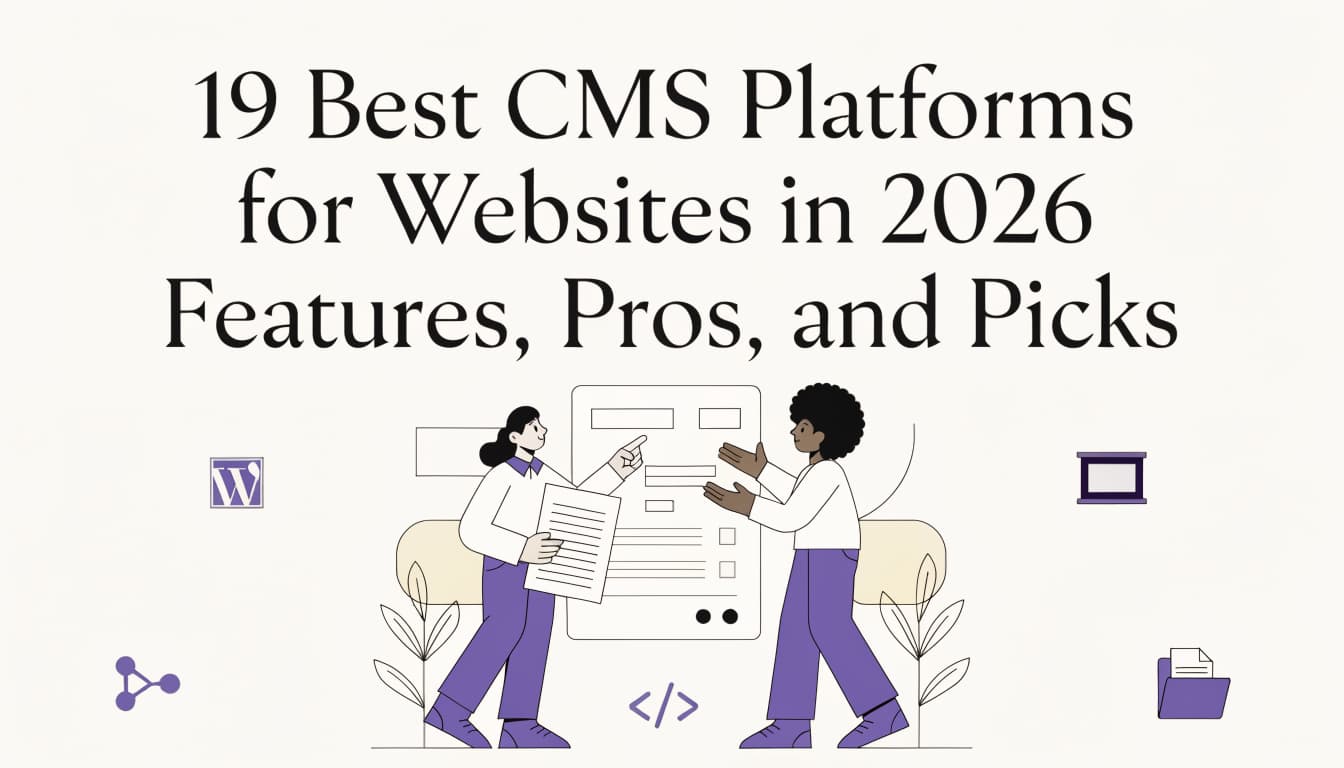
19 Best CMS Platforms for Websites in 2026 Features, Pros, and Picks
Last updated: 24 July 2026
The 19 best CMS platforms for websites in 2026 features vary widely by use case: WordPress suits content-heavy sites and beginners, while headless options like Contentful or Sanity serve developer teams that need API-first flexibility. No single platform wins every category. The right pick depends on your team's technical skill, content volume, and budget.
How to Frame the Decision
Before comparing platforms, nail down three things: who will manage content day-to-day, whether you need e-commerce built in, and whether your front end is decoupled from your back end. A marketing team that publishes 50 blog posts a month has different needs than a developer building a multi-channel product catalog. Roughly 43% of all websites on the internet still run on WordPress — a figure cited consistently across web-hosting surveys — which tells you something about its staying power, but nothing about whether it fits your project.
The criteria that actually matter for most teams:
- Ease of use — how fast can a non-developer publish and update content?
- Customisation depth — plugin ecosystem, theme flexibility, or open API
- Hosting model — self-hosted (you manage infrastructure) vs. cloud-hosted (vendor manages it)
- Scalability — can it handle 10 million page views without a rewrite?
- Cost structure — licensing, hosting, plugins, and developer time all add up
- Headless capability — can the CMS serve content to multiple front ends via API?
The 19 Best CMS Platforms Compared
| CMS | Best For | Hosting | Headless Option | Free Tier |
|---|---|---|---|---|
| WordPress.org | Blogs, SMBs, content sites | Self-hosted | Yes (REST API / WPGraphQL) | Yes (open source) |
| WordPress.com | Beginners, personal blogs | Cloud | Partial | Yes (limited) |
| Shopify | E-commerce first | Cloud | Yes (Storefront API) | No (trial only) |
| Wix | Small business, drag-and-drop | Cloud | No | Yes (Wix branding) |
| Squarespace | Portfolios, creatives | Cloud | No | No (trial only) |
| Webflow | Designers, marketing teams | Cloud | Yes (CMS API) | Yes (limited) |
| Contentful | Enterprise, multi-channel | Cloud | Yes (native) | Yes (community) |
| Sanity | Developers, structured content | Cloud | Yes (native) | Yes (free tier) |
| Strapi | Developers, self-hosted API | Self-hosted | Yes (native) | Yes (open source) |
| Ghost | Publishers, newsletters | Cloud / Self | Partial | Yes (open source) |
| Drupal | Government, large enterprise | Self-hosted | Yes | Yes (open source) |
| Joomla | Mid-size, community sites | Self-hosted | Partial | Yes (open source) |
| HubSpot CMS | Marketing, lead gen | Cloud | No | Yes (starter) |
| Sitecore | Enterprise, personalisation | Cloud / On-prem | Yes | No |
| Adobe Experience Manager | Large enterprise | Cloud / On-prem | Yes | No |
| Prismic | Developers, Jamstack | Cloud | Yes (native) | Yes (free tier) |
| Storyblok | Visual editing + headless | Cloud | Yes (native) | Yes (free tier) |
| Payload CMS | Developers, TypeScript teams | Self-hosted | Yes (native) | Yes (open source) |
| Statamic | Laravel developers, flat-file | Self-hosted | Yes | Yes (solo) |
Traditional CMS Platforms: WordPress, Drupal, Joomla
WordPress.org remains the broadest choice. Its plugin library exceeds 59,000 options, and themes number in the tens of thousands. The trade-off is maintenance: you own updates, security patches, and server configuration. Managed WordPress hosts (Kinsta, WP Engine) reduce that burden but add cost.
Drupal is the serious enterprise option in the open-source space. It handles complex permission structures, multilingual content, and high-traffic government sites better than WordPress out of the box. The learning curve is steep — budget for a developer, not just an editor.
Joomla sits in the middle but has lost ground. Its community is smaller than it was in 2018, and finding modern, well-maintained extensions requires more vetting than it once did.
Cloud-Hosted CMS Platforms: Wix, Squarespace, Webflow
Wix is genuinely fast to launch. A small business can have a live site in a day without touching code. The ceiling, though, is real: once you outgrow Wix's structure, migrating content to another platform is painful because Wix locks data into its own format.
Squarespace excels at visual polish for portfolios and service businesses. It handles e-commerce adequately, but inventory management and shipping logic are limited compared to dedicated platforms.
Webflow is the most capable of the three for designers who want pixel-level control without writing CSS from scratch. Its CMS API gives it a partial headless capability, though it is not a true API-first platform.
Headless CMS Platforms: Contentful, Sanity, Strapi, Prismic, Storyblok
Headless CMS platforms store content as structured data and deliver it via API to any front end — a React app, a mobile app, a digital kiosk. This architecture adds engineering overhead but removes the "one front end" constraint.
Contentful is the most established commercial headless option. Its free community tier caps at 25,000 API calls per month, which is enough for small projects but not production traffic.
Sanity stands out for its GROQ query language and real-time collaborative editing. Developers who have worked with it consistently cite schema flexibility as its strongest feature.
Strapi is open source and self-hosted, meaning you control the database and the deployment. That is an advantage for teams with strict data-residency requirements and a liability for teams without DevOps resources.
Storyblok adds a visual editor on top of a headless architecture — a combination that reduces friction for non-technical editors who still need to preview content in context.
Prismic targets Jamstack projects specifically and integrates cleanly with Next.js and Nuxt. Its Slice Machine feature lets developers define reusable content components that editors can assemble without breaking the layout.
E-Commerce CMS Platforms: Shopify, HubSpot
Shopify is the default recommendation for stores that prioritise selling over content. Its Storefront API enables headless commerce, so a brand can run a custom React front end while Shopify manages inventory, checkout, and payments. The cost adds up: transaction fees on non-Shopify payment gateways plus app subscriptions can push monthly spend well above the base plan price.
HubSpot CMS bundles content management with CRM and marketing automation. For teams already using HubSpot for email and lead tracking, the integration is seamless. For teams that are not, paying for HubSpot's CMS tier just for a website is hard to justify.
Enterprise CMS Platforms: Sitecore, Adobe Experience Manager
Both Sitecore and Adobe Experience Manager (AEM) are built for organisations with dedicated digital experience teams and six-figure annual budgets. Sitecore's personalisation engine and AEM's integration with the Adobe marketing stack are genuinely differentiated, but neither platform is appropriate — or affordable — for a company under roughly 500 employees.
A candid note from Cloudways' CMS comparison: even among the top-ranked platforms, the "best" label depends entirely on matching the platform's strengths to a specific business context. A platform that earns top marks for developers may actively frustrate a marketing team working without engineering support.
Emerging and Developer-Focused Options: Payload, Statamic, Ghost
Payload CMS launched its 2.0 version in late 2023 and has gained traction among TypeScript developers who want a self-hosted, code-first CMS with a clean admin UI. Its access control system is granular enough for complex multi-tenant applications.
Statamic uses a flat-file architecture by default (no database required), which makes it fast and easy to version-control in Git. It runs on Laravel, so teams already in the PHP ecosystem find it natural. The solo license is free; the pro license adds multi-user and e-commerce features.
Ghost is purpose-built for publishers and newsletter operators. Its native membership and subscription tools compete directly with Substack for independent writers who also want a full website.
Which Should You Choose
| If you are... | Choose |
|---|---|
| A blogger or small business with no developer | WordPress.com or Wix |
| A content team that needs editorial flexibility | WordPress.org or Ghost |
| A developer building a Jamstack site | Sanity, Prismic, or Payload CMS |
| An enterprise with personalisation needs | Sitecore or Adobe Experience Manager |
| A store selling physical products | Shopify |
| A marketing team using HubSpot already | HubSpot CMS |
| A government or large institution | Drupal |
| A designer who builds client sites | Webflow or Statamic |
| A team needing multi-channel content delivery | Contentful or Storyblok |
No platform is the right answer for every project. The most common mistake is choosing based on name recognition rather than workflow fit. A developer-first platform handed to a non-technical marketing team creates bottlenecks that cost more in lost productivity than any license fee.
If you want an independent assessment of which CMS architecture fits your specific traffic, team size, and SEO goals, visit seorav.com — the team works through exactly these trade-offs with you before any platform decision is made.
Frequently Asked Questions
What is the best free CMS platform for a small website in 2026?
WordPress.org is the most capable free option — the software itself costs nothing, though you pay for hosting and any premium plugins. Wix and Squarespace offer free tiers but display their branding on your site. For developers, Strapi and Payload CMS are free and open source. Ghost is free if you self-host, or available as a paid managed service.
What is a headless CMS and when do you actually need one?
A headless CMS stores and delivers content via API without a built-in front end. You need one when content must appear on multiple channels simultaneously — a website, a mobile app, a digital display — or when your front-end team wants full control over the presentation layer. For a standard blog or brochure site, a traditional CMS is simpler and cheaper to operate.
Is WordPress still the best CMS in 2026?
WordPress is still the most widely used CMS, powering roughly 43% of all websites. That makes it the safest choice for teams that need a large plugin ecosystem and a broad pool of developers to hire from. It is not the best fit for API-first applications, highly customised enterprise personalisation, or teams that lack the resources to manage hosting and security updates.
Which CMS is best for SEO in 2026?
WordPress.org with a plugin like Yoast or Rank Math gives marketers granular on-page SEO control. Ghost generates clean, fast HTML by default, which helps Core Web Vitals scores. Headless setups with Next.js can achieve excellent performance scores but require developer effort to implement structured data and meta management correctly. Platform choice matters less than technical execution and content quality.
What is the difference between a CMS and a website builder?
A website builder (Wix, Squarespace) bundles hosting, design, and content management into one closed system — fast to launch, limited to customise. A CMS (WordPress, Drupal, Strapi) separates content management from hosting and front-end presentation, giving developers more control but requiring more setup. The line is blurring: Webflow and Storyblok now offer both visual editing and API access.
Which CMS platforms are best for enterprise use in 2026?
Sitecore and Adobe Experience Manager lead for large organisations needing deep personalisation, multi-brand management, and integration with enterprise marketing stacks. Contentful and Storyblok are strong headless alternatives for enterprise teams that want faster deployment cycles. Drupal remains the dominant open-source enterprise choice, particularly in government and higher education where data control and accessibility compliance are priorities.
Keep reading
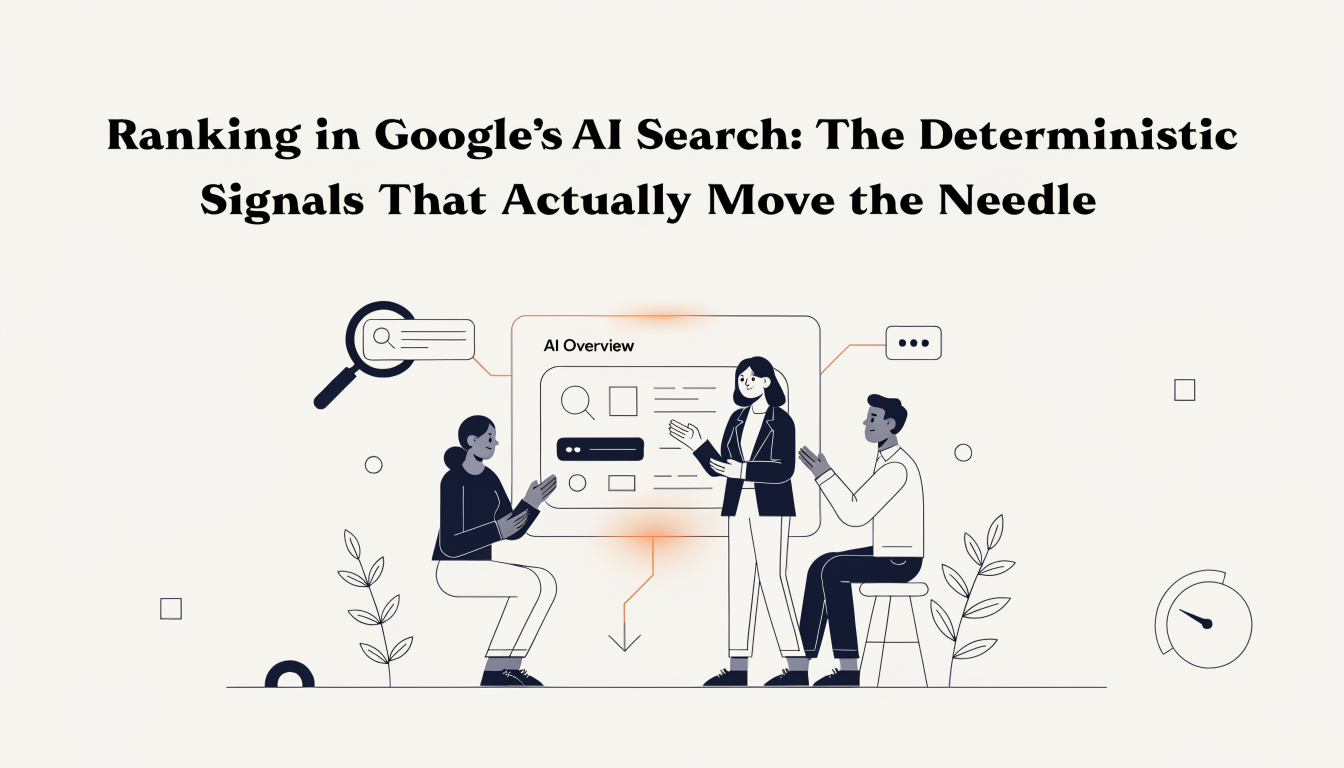
Ranking in Google's AI Search: The Deterministic Signals That Actually Move the Needle
Learn how do you rank in SGE with the three signals Google's AI uses to cite sources: schema markup, entity salience, and structured factual claims.
Why AI Ignores Your Content (And How to Fix It)
Learn how to avoid AI content that gets ignored by LLMs. Covers RAG retrieval signals, schema, entity salience, and an answer-first structure checklist.
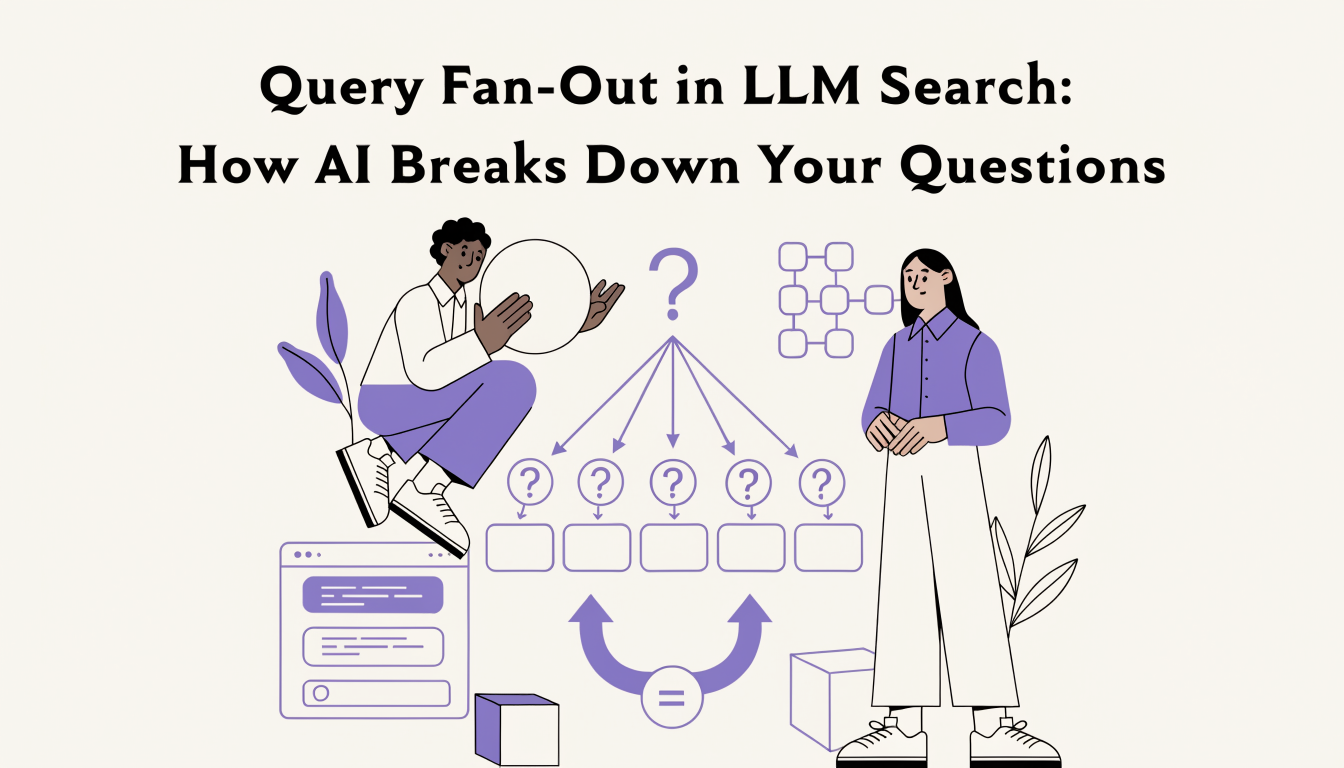
Query Fan-Out in LLM Search: How AI Breaks Down Your Questions
Learn what query fan-out in LLM search is, how AI splits your prompt into 3-8 sub-queries, and how to structure content to win more citation passes.